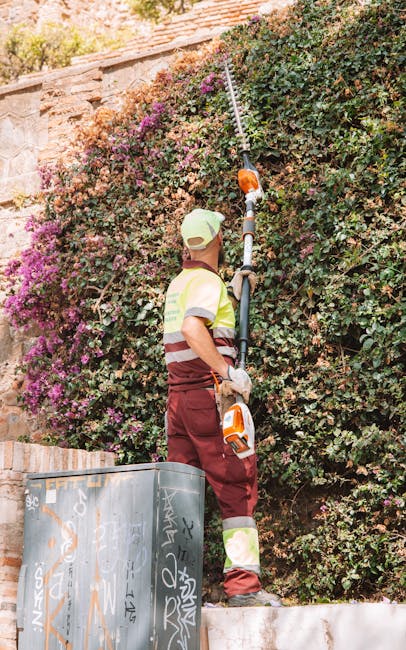
Avoid hidden charges with Shoreditch gardening services
Hidden charges are one of those things that can turn a simple garden job into a frustrating surprise. A quote looks fine, the work starts, and then suddenly there are extras for waste, access, "heavy lifting", or something else that was never really explained. If you are trying to avoid hidden charges with Shoreditch gardening services, the good news is that you can spot most red flags before anyone picks up a spade.
This guide breaks down how fair pricing usually works, which costs should be clearly stated, and what to ask before you book. It also covers practical checks for local homeowners, landlords, tenants, property managers, and anyone who just wants a tidy outdoor space without the awkward bill at the end. To be fair, most issues are preventable once you know where to look.
At a glance, the safest approach is simple: get a written quote, confirm what is included, ask about waste removal and access, and make sure the service terms are clear. If you want to explore service options first, you can also review the services overview and the company's pricing and quotes information before you decide.
Table of Contents
- Why hidden charges matter
- How pricing should work
- Key benefits of transparent quotes
- Who needs this advice
- Step-by-step guidance
- Expert tips for clearer pricing
- Common mistakes to avoid
- Tools, resources and recommendations
- Law, compliance and best practice
- Options and comparison table
- Case study example
- Practical checklist
- Conclusion
- Frequently asked questions
Why hidden charges matter
Garden work is often quoted before the team has fully seen the site, and that is where confusion starts. A small front garden in Shoreditch can still become awkward if there is limited access, tight stairwells, no parking nearby, or a lot more waste than first expected. If the pricing is vague, those details can quickly turn into extra costs later.
Hidden charges matter for three reasons. First, they affect trust. Second, they make it harder to compare garden services fairly. Third, they can create delays while you debate what was or wasn't included. Nobody wants that. Especially not on a wet Tuesday when the bins are already overflowing and the lawn looks tired.
In a busy area like Shoreditch, where properties vary from compact courtyards to shared residential gardens, transparent pricing is not a luxury. It is basic professionalism. A good gardener should be able to explain what the quote covers, what would count as an extra, and when the price might change. If waste handling is part of the job, their recycling and sustainability approach should also be easy to understand, not buried in small print.
Practical takeaway: if a quote feels too brief to be useful, it is probably too brief to trust. Clear pricing beats "we'll see on the day" every time.
How hidden-charge-free pricing should work
In a well-run gardening service, pricing starts with a clear picture of the job. That might be a short site visit, photos, a phone call, or a written description from you. The point is to gather enough information so the contractor can quote realistically. Not perfectly. Just realistically enough to avoid surprise add-ons.
Most transparent quotes follow a simple structure:
- Scope of work: what will actually be done, such as mowing, hedge trimming, weeding, pruning, clearance, or landscaping support.
- Labour time or fixed price: whether the job is charged by the hour, by the day, or as a set fee.
- Waste handling: whether green waste will be removed, composted, or left in bags on site.
- Access assumptions: whether the team can park nearby, reach the garden easily, and get equipment in safely.
- Materials and extras: compost, soil, plants, timber, fixings, or specialist disposal.
- VAT or other taxes: whether the price shown is inclusive or exclusive of tax.
Some jobs are straightforward. Others are not. For example, a regular lawn mowing visit may be simple enough to quote quickly, while a full garden clearance can change depending on the amount of waste, the condition of the site, and whether bulky items need special handling.
The best providers explain the assumptions behind the quote. That matters because an honest estimate is not the same thing as an unlimited promise. If the scope changes, the price may change too - but you should know that upfront, not after the work is half-finished.
Key benefits and practical advantages
Transparent pricing does more than protect your wallet. It makes the whole service experience calmer and easier to manage. Which, frankly, is underrated.
- Better budgeting: you know what to expect before work begins.
- Cleaner comparisons: you can compare like-for-like quotes rather than guessing what is included.
- Fewer disputes: there is less room for misunderstanding later.
- Faster approval: clear quotes are easier to sign off for landlords, agents, and managing teams.
- Stronger accountability: service providers are more likely to stick to a documented scope.
- Better value judgment: you can tell the difference between a genuinely low price and a quote that is missing key costs.
There is also a quieter benefit: peace of mind. When you know the numbers are clear, you can focus on the result rather than worrying about the invoice. And that makes a difference, especially if you are arranging a one-off tidy-up before guests arrive or a larger job before a tenancy changes over.
If you are considering longer-term upkeep, it can help to look at garden maintenance as a structured service rather than a series of one-off emergencies. Regular maintenance often makes pricing more predictable, because the garden does not get to the "what on earth happened here?" stage.
Who this is for and when it makes sense
This advice is useful for almost anyone hiring a gardener, but it is especially relevant if you need clear numbers before committing. That includes:
- Homeowners who want seasonal work or one-off help.
- Tenants who may need an end-of-tenancy tidy-up and want to avoid losing money through unclear extras.
- Landlords and letting agents who need consistent pricing and proof of agreed work.
- Commercial or block managers who require documented scopes and predictable billing.
- People with overgrown spaces where waste disposal, access, or labour time may vary more than expected.
It also makes sense when a job involves several service types. For example, a garden might need hedge cutting, light landscaping, a bit of clearance, and then ongoing care. In that case, a simple all-in price may hide detail, while a too-broken-down quote may feel confusing. You want the middle ground: enough detail to understand the charge, not so much that the quote becomes a puzzle.
For more complex outdoor projects, looking at landscape gardening or landscaping information can help you understand where design, labour, and materials may create separate cost lines. That is where a lot of hidden-charge headaches start, usually in a tidy-looking line item with a very untidy surprise hidden inside it.
Step-by-step guidance
If you want to avoid hidden charges without turning the whole process into a detective novel, follow these steps.
- Describe the job clearly. Be specific about the size of the garden, the condition of the space, and any awkward access. A five-minute photo set can save a lot of misunderstanding.
- Ask for a written quote. Verbal estimates are easy to forget and easier to reinterpret. Written details are safer for everyone.
- Check what is included. Labour, tools, waste removal, materials, travel, parking, and VAT should all be addressed if relevant.
- Confirm what counts as an extra. Ask what would trigger a price change. More waste? Hard-to-reach areas? Extra visits? Spell it out.
- Read the terms before booking. A short review of the terms and conditions can reveal cancellation rules, payment timing, and responsibility for access.
- Check payment expectations. Make sure the billing process is clear and secure by reviewing payment and security information.
- Keep a copy of everything. Save the quote, messages, photos, and any changes agreed later. Old-fashioned, yes. Useful, absolutely.
Here is a small but helpful habit: repeat the agreed scope back in your own words before the job starts. Something like, "Just to confirm, this covers mowing, hedge trimming, and waste removal, with no extra charge unless you find more than we discussed." It feels a little formal, maybe even slightly awkward, but it works.
And if the service provider is reputable, they will not mind. In fact, they will probably welcome it.
Expert tips for better results
After years of dealing with service quotes, one thing becomes obvious: the best money-saving decisions are usually made before the work begins. Not after. Not during. Before.
Ask the right questions early
Good questions are simple and direct. Try these:
- Is this price fixed or estimated?
- What exactly is included in the quote?
- Will waste removal cost extra?
- Are there access or parking charges?
- What happens if the garden is more overgrown than expected?
- Do you charge by the hour if the job takes longer?
Compare apples with apples
One quote may be cheaper because it excludes waste removal. Another may seem more expensive because it includes everything. So compare the scope, not just the headline number. Truth be told, many people miss this and end up choosing the wrong "best price".
Look for clarity, not clever wording
Watch out for phrases like "subject to inspection", "additional costs may apply", or "extras as required" if they are not explained properly. Those phrases are not automatically bad. They just need context. A fair provider will tell you what they mean in plain English.
Use seasonal timing wisely
Busy periods, such as spring growth or late-autumn clear-ups, can change availability and labour demand. If you are booking at a busy time, allow a bit more lead time and ask whether urgency carries any premium. There is nothing mysterious about that. It is just planning.
Choose services that match the real job
Sometimes hidden charges happen because the wrong service is booked. A quick tidy is not the same as a full clearance, and a hedge trim is not the same as major pruning. If in doubt, compare the job to the provider's specific services such as hedge trimming, lawn mowing, or tree lopping and removal so everyone is talking about the same thing.
Common mistakes to avoid
The biggest pricing mistakes are usually quite ordinary. No drama, just oversights.
- Accepting a quote without asking what is included.
- Assuming waste removal is part of the price.
- Forgetting to mention access issues, parking limits, or rear-garden entry.
- Not checking whether prices are inclusive of VAT.
- Comparing a fixed quote with an estimate as if they were the same thing.
- Ignoring written terms because the number looks reasonable.
- Changing the brief after the quote and expecting the price to stay the same.
One especially common mistake is under-describing the job. A gardener arrives expecting a light trim, but the garden is tangled with thick growth, broken pots, and old timber. That is not anyone's fault exactly, but it can lead to extra cost if the original description was too vague. A five-minute walk-around, or even a few good photos in daylight, usually prevents that. Simple enough.
Another issue is forgetting about disposal. Waste is one of the biggest sources of confusion in garden work because it is not always obvious how much space the cuttings will take until they are actually gathered. If green waste is being removed, ask how it will be handled and whether it is included in the quote.
Tools, resources and recommendations
You do not need fancy tools to avoid hidden charges. A few practical habits are enough.
- Photos and short videos: take them in good daylight and capture access points as well as the garden itself.
- A written checklist: note the tasks you want done and any special concerns.
- Message records: keep emails or texts that confirm the scope.
- Measurements: rough garden dimensions can help shape a more accurate quote.
- Budget range: decide what you are comfortable paying before discussions begin.
If you want to understand how pricing is handled across different job types, the most useful starting point on the site is the pricing and quotes page. For a broader look at the company's approach, the about us page can also help you understand how they position their service and communication style.
Another sensible check is insurance. Not because every garden job is risky, but because professional cover matters when equipment, trees, ladders, or heavier clearance work is involved. You can review the company's insurance and safety information for extra reassurance.
And if sustainability matters to you - it often does these days - the recycling and sustainability page is worth a look too. Reputable disposal and recycling practices can be part of the value, not an afterthought.
Law, compliance and best practice
For garden services in the UK, the most relevant point is not a single pricing law but the general expectation of fair, clear, and honest commercial practice. In plain terms, customers should know what they are paying for, and providers should avoid misleading descriptions. That includes making sure the quote is not presented in a way that hides important exclusions.
If a job involves waste removal, property access, tools, machinery, or tree-related work, then safety and handling standards matter too. A trustworthy provider should think about risk, access, and the practical side of working in residential or shared spaces. It is also reasonable to expect clear complaints handling if something goes wrong. That is why pages like complaints procedure and health and safety policy can be useful indicators of seriousness, even if you never need to use them.
Best practice in this space is quite straightforward:
- quotes should be understandable, not deliberately obscure;
- extra charges should be explained before work begins where possible;
- terms should be available in writing;
- pricing assumptions should be visible;
- services should match the job description.
If accessibility is important for your property or for how you receive information, it is also sensible to review the accessibility statement. Small details like clear communication and accessible documents can make the whole experience less stressful.
Options and comparison table
Not every pricing model suits every job. Here is a simple comparison to help you judge what you are being offered.
| Pricing method | Best for | Pros | Watch-outs |
|---|---|---|---|
| Fixed quote | Clear, well-defined jobs | Easier budgeting, fewer surprises | Needs a good brief; changes may cost more |
| Hourly rate | Unclear or variable jobs | Flexible if the scope is uncertain | Can feel open-ended if the work expands |
| Day rate | Larger jobs with multiple tasks | Simple for bigger gardens or mixed work | Still needs a defined scope to avoid drift |
| Estimate | Initial planning stage | Useful starting point | Not a guarantee; final cost may move |
For many customers, a fixed quote is the easiest route to avoiding hidden charges. For more complex or unpredictable work, a detailed estimate can still be useful - but only if the assumptions are spelled out. That is the bit people miss. The assumptions. Always the assumptions.
If the job includes decking, take a look at decking services as an example of work where materials, preparation, and finish can all affect cost. Again, the main issue is not price itself. It is clarity.
Case study or real-world example
Imagine a Shoreditch flat with a small rear garden that has been left untended for a couple of months. Nothing extreme, just busy growth, a few pots tipped over, and a patch of lawn that has gone patchy and soft underfoot. The owner wants the space sorted before visitors arrive on Saturday.
They ask for a quote and provide three phone photos, but they forget to mention the back gate only opens halfway because a wheelie bin sits nearby. They also leave out the fact that there are two sacks of old cuttings in the corner. The gardener quotes for a tidy-up and light clearance based on the photos. On arrival, the team sees that access is awkward and the waste is larger than expected. That is where a charge change can creep in.
Now compare that with a better approach. The owner sends photos in daylight, mentions the access problem, confirms that waste removal is needed, and asks for the price to include everything discussed. The gardener gives a clearer quote, the scope is agreed in writing, and the work goes ahead without awkward conversation afterwards. Same garden. Very different outcome.
That is the whole point of avoiding hidden charges. Not to negotiate every penny. Not to micromanage the job. Just to make sure everybody starts from the same facts.
Practical checklist
Use this before you book any Shoreditch garden work.
- Have I described the job clearly, including access and waste?
- Have I asked for a written quote?
- Do I know whether the price is fixed or estimated?
- Is waste removal included?
- Are materials included if needed?
- Have I checked whether VAT is included?
- Do I know what counts as an extra?
- Have I read the terms and payment information?
- Have I compared more than one quote on the same basis?
- Have I kept screenshots, emails, or messages for reference?
If you can tick most of those boxes, you are already ahead of the game. Honestly, that alone removes a lot of stress.
Conclusion
To avoid hidden charges with Shoreditch gardening services, focus on clarity before commitment. Ask what is included, confirm the scope in writing, check how waste and access are handled, and make sure the payment terms make sense. That simple process protects your budget and gives you a much smoother experience overall.
There is no magic trick here. Just careful questions, honest answers, and a quote that tells the full story. If a service provider is transparent from the start, that is usually a very good sign.
Get a free quote today and see how much you can save.
Frequently Asked Questions
What should a gardening quote in Shoreditch include?
A good quote should explain the tasks covered, labour or fixed pricing, waste removal, materials if needed, and any assumptions about access or parking. If something is excluded, that should be clear too.
How do I know if a gardening company is likely to add hidden charges?
Look for vague wording, missing detail, and reluctance to put things in writing. If the provider cannot explain what is included, that is usually a warning sign. Not always, but usually.
Is a fixed price better than an hourly rate?
For a clearly defined job, a fixed price is often easier to manage because you know the total before work begins. Hourly pricing can suit uncertain or variable jobs, but it needs trust and clear communication.
Should waste removal always be included?
Not necessarily, but it should always be stated. Some gardeners include green waste removal in the quote, while others charge it separately. The key thing is knowing in advance.
What if the garden is more overgrown than I thought?
That happens quite often. If the condition is worse than expected, the provider may need to revise the quote. A quick update with photos before the job usually prevents this.
Can parking or access affect the price?
Yes. In an area like Shoreditch, parking limits, narrow access points, and shared entrances can affect labour time and handling. It is best to mention those issues early.
How can I compare two gardening quotes properly?
Compare the scope, not just the total. Check whether both quotes include the same tasks, waste handling, materials, VAT, and any extra charges. A cheaper quote may simply include less.
Do I need to read the terms and conditions before booking?
Yes, even if it feels a bit dull. Payment timing, cancellation rules, and responsibility for access are often explained there. It is one of those five-minute jobs that can save a headache later.
Are photos enough for an accurate quote?
Photos are often enough for a starting quote on smaller jobs, but bigger or more complex work may need a site visit. Good daylight photos from different angles help a lot.
What should I do if I disagree with an extra charge?
First, check the original quote and messages. Then ask for a clear explanation of why the charge applies. If the company has a complaints process, use it calmly and keep everything in writing.
Does regular garden maintenance help reduce unexpected costs?
Yes, usually. A garden that is maintained regularly is easier to price and less likely to need sudden clearance work. It also tends to stay healthier, which is a nice bonus.
Where can I find more information about the company's service approach?
The most useful pages are the services overview, pricing and quotes, and about us pages. They help you understand how the service is structured and what to expect before booking.
In the end, fair pricing is not just about avoiding surprises. It is about starting the job with confidence, which makes the whole thing feel easier from the first message to the final tidy-up. And that, honestly, is worth quite a lot.